Frequently Asked Questions
None - No relevant questions available?
No relevant questions are currently available, but we encourage you to reach out with any inquiries about our hardwood flooring options or services. Our team at Diaz Hardwood Floors is here to assist you!
What are common vinyl flooring brands?
Common vinyl flooring brands include Shaw, Armstrong, Mohawk, and Tarkett, known for their variety of styles, durability, and affordability, making them popular choices for both residential and commercial spaces.
How to choose vinyl flooring colors?
Choosing vinyl flooring colors involves considering your space's overall design, lighting, and desired atmosphere. Opt for shades that complement your furniture and decor while also keeping practicality in mind, such as durability and maintenance requirements.
What tools are needed for vinyl installation?
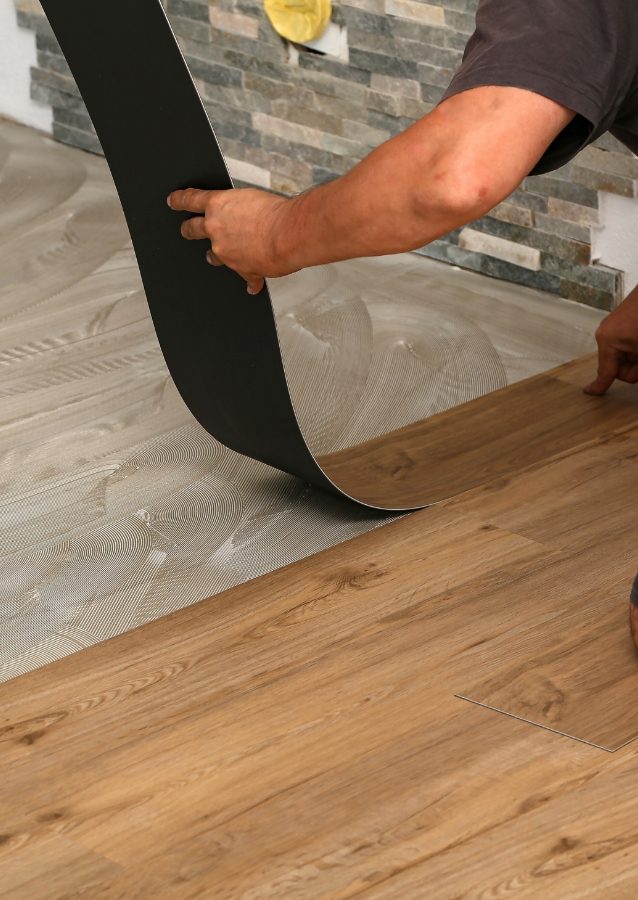
The tools needed for vinyl installation include a utility knife, measuring tape, straightedge, vinyl roller, and adhesive. These essential tools will help ensure a precise and professional installation process for your vinyl flooring.
Is vinyl flooring waterproof or water-resistant?
Vinyl flooring is water-resistant, meaning it can withstand moisture but is not completely waterproof. It’s ideal for areas with minimal moisture exposure, but prolonged exposure to water can cause damage.
Can vinyl flooring be repaired if damaged?
Vinyl flooring can be repaired if damaged. Minor scratches and dents can often be fixed with repair kits, while more significant damage may require replacing specific planks or tiles, ensuring your flooring maintains its appearance and functionality.
What is the lifespan of vinyl flooring?
The lifespan of vinyl flooring typically ranges from 10 to 20 years, depending on the quality of the material, installation, and maintenance. With proper care, it can provide a durable and attractive flooring option for your space.
Are there different thicknesses of vinyl flooring?
There are indeed different thicknesses of vinyl flooring available. Typically, vinyl planks and sheets come in thicknesses ranging from 2mm to 8mm, with thicker options providing enhanced durability and comfort underfoot.
How to maintain vinyl flooring properly?
Maintaining vinyl flooring properly involves regular cleaning with a soft broom or vacuum to remove dirt, followed by mopping with a mild detergent and water. Avoid harsh chemicals and scrubbing pads to preserve the surface.
Can vinyl flooring be installed in bathrooms?
Vinyl flooring can be installed in bathrooms due to its water-resistant properties. It offers a practical and stylish solution, making it a popular choice for wet areas while ensuring durability and ease of maintenance.
What are the advantages of vinyl flooring?
The advantages of vinyl flooring are numerous, including its durability, water resistance, easy maintenance, and a wide range of styles and designs that mimic the look of natural materials, making it a versatile option for any space.
How to clean luxury vinyl plank flooring?
Cleaning luxury vinyl plank flooring involves regularly sweeping or vacuuming to remove debris, followed by mopping with a damp cloth and a mild cleaner specifically designed for vinyl. Avoid harsh chemicals that could damage the surface.
Is underlayment needed for vinyl flooring?
Underlayment is necessary for vinyl flooring. It provides sound insulation, adds cushioning, and can help with moisture control, enhancing the overall durability and comfort of the flooring installation.
What is the installation cost for vinyl flooring?
The installation cost for vinyl flooring can vary based on factors such as material quality, room size, and labor. Typically, you can expect costs to range from $1 to $5 per square foot.
Can vinyl flooring be installed in kitchens?
Vinyl flooring can indeed be installed in kitchens. Its water-resistant properties and durability make it an excellent choice for areas prone to spills and heavy foot traffic.
Are there eco-friendly vinyl flooring options?
There are eco-friendly vinyl flooring options available. Look for products made from recycled materials or those certified by environmental standards, ensuring a sustainable choice for your flooring needs.
How does vinyl compare to laminate flooring?
Vinyl and laminate flooring differ in composition and performance. Vinyl is more water-resistant and often quieter underfoot, while laminate tends to be less expensive and offers a wider variety of design options. Both are durable, but your choice depends on specific needs and preferences.
What patterns are available in vinyl flooring?
The patterns available in vinyl flooring include a wide variety of styles, such as wood-look, stone-look, tile designs, and abstract patterns, allowing you to choose options that best complement your home’s aesthetic.
Can vinyl flooring be installed over hardwood?
Vinyl flooring can be installed over hardwood as long as the hardwood is in good condition. Ensure it's clean, dry, and level to provide a smooth surface for the vinyl installation.
What is the best vinyl flooring for pets?
The best vinyl flooring for pets is durable, scratch-resistant, and waterproof. Look for options with a high wear layer to withstand pet claws and accidents, such as luxury vinyl plank or tile, which provide both functionality and style.