Frequently Asked Questions
What is the best carpet for installation?
The best carpet for installation largely depends on your specific needs and the area of your home. Generally, nylon and polyester are highly recommended for their durability and stain resistance, making them ideal choices for most residential environments.
How long does carpet installation typically take?
The duration of carpet installation typically depends on the size of the area and the complexity of the job. Generally, it can take anywhere from a few hours to a full day to complete the installation.
What tools are needed for carpet installation?
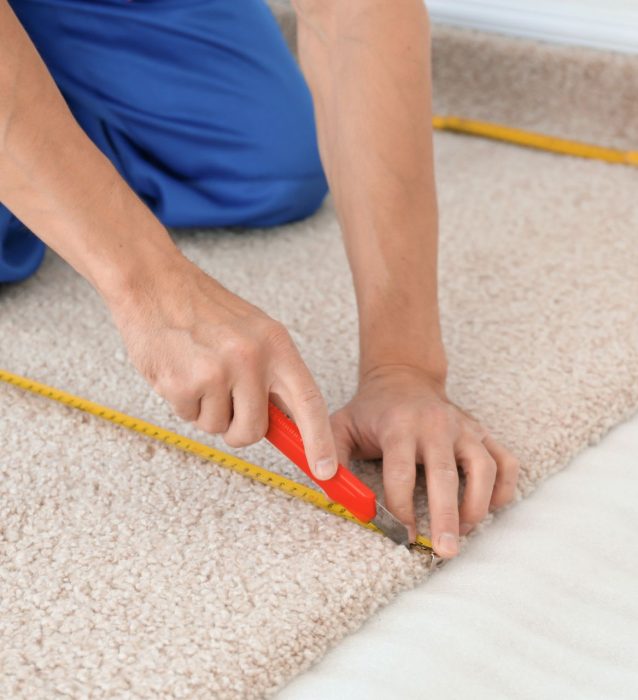
The tools needed for carpet installation include a carpet knife, measuring tape, knee kicker, seam roller, and a power stretcher. These essential tools ensure efficient and precise installation for a professional finish.
How do I prepare for carpet installation?
Preparing for carpet installation involves clearing the area of furniture and personal items, ensuring the subfloor is clean and dry, and checking for any necessary repairs. This will facilitate a smooth and efficient installation process.
What types of carpet installation methods exist?
The types of carpet installation methods include glue-down, stretch-in, and tackless, each tailored to different flooring needs and conditions for optimal durability and appearance.
Can I install carpet on my own?
You can install carpet on your own. However, it requires proper tools, techniques, and a reasonable level of skill to ensure a professional finish and durable results. If you're uncertain, hiring a professional may be a safer option.
What guarantees are offered with carpet installation?
The guarantees offered with carpet installation typically include warranties on both the carpet product and the installation workmanship. This ensures that any defects in materials or issues arising from poor installation can be addressed without additional costs.
What is the warranty period for installed carpets?
The warranty period for installed carpets typically ranges from 5 to 15 years, depending on the manufacturer's guidelines and the specific type of carpet chosen. Always check the warranty details before purchase for clarity on coverage and conditions.
Do I need to remove old carpet before installation?
Removing old carpet is necessary before installing hardwood floors to ensure a smooth, level surface for optimal installation and to avoid potential damage to the new flooring.
What underlayment is used during carpet installation?
The underlayment used during carpet installation typically consists of foam, rubber, or felt materials. These provide cushioning, insulation, and noise reduction, enhancing the overall performance and comfort of the carpet.
Are there eco-friendly carpet installation options available?
Eco-friendly carpet installation options are indeed available. These options often include sustainable materials, low-VOC adhesives, and methods that minimize environmental impact, ensuring a greener solution for your flooring needs.
How can I choose the right carpet installer?
Choosing the right carpet installer requires assessing their experience, customer reviews, and portfolio of previous work. Ensure they are licensed and insured, and obtain quotes from multiple installers for the best value.
What is the process for carpet installation services?
The process for carpet installation services includes several key steps: initial consultation to assess needs, measuring the area, selecting the carpet, preparing the subfloor, and finally, expertly installing the carpet to ensure a perfect fit.
Can I install carpet over existing flooring?
Installing carpet over existing flooring is possible, provided that the underlying surface is clean, level, and in good condition. Ensure that the existing flooring material is compatible with carpet installation for the best results.
What factors affect carpet installation costs?
The factors that affect carpet installation costs include the type of carpet chosen, the size of the area being covered, the complexity of the installation, and any additional materials or preparation needed, such as padding or subfloor repairs.
How do I maintain my carpet after installation?
Maintaining your carpet after installation involves regular vacuuming to remove dirt and debris, prompt attention to spills to prevent stains, and periodic professional cleaning for deeper care. Additionally, consider using area rugs in high-traffic zones to reduce wear.
What styles of carpet are trending for installation?
Current trending carpet styles for installation include plush textures, patterned designs, and eco-friendly materials. Neutral shades combined with bold accent colors are popular, allowing for versatility in home decor while providing comfort and durability.
Are there special requirements for carpet installation in basements?
Carpet installation in basements has special requirements due to moisture and humidity levels. It's essential to use moisture-resistant materials, proper underlayment, and ensure adequate ventilation to prevent mold growth and ensure longevity.
What is the most durable carpet for high-traffic areas?
The most durable carpet for high-traffic areas is nylon. Known for its resilience and ability to withstand wear and tear, nylon fibers maintain their appearance and texture longer, making them ideal for busy spaces in homes or offices.